Pro Israel Activists Pursue College Democrats
Pro-Israel activists are growing more working alongside College Democrats to redefine campus conversation. By aligning their efforts around shared principles like progressive causes, they strive to foster informed dialogues about the Israeli-Palestinian conflict. This alliance endeavors to advance progressive viewpoints while fostering empathy in a fragmented environment. However, the implications of this collaboration raise critical questions about student perspectives and the future of activism on campuses. What difficulties and possibilities lie ahead for these groups?
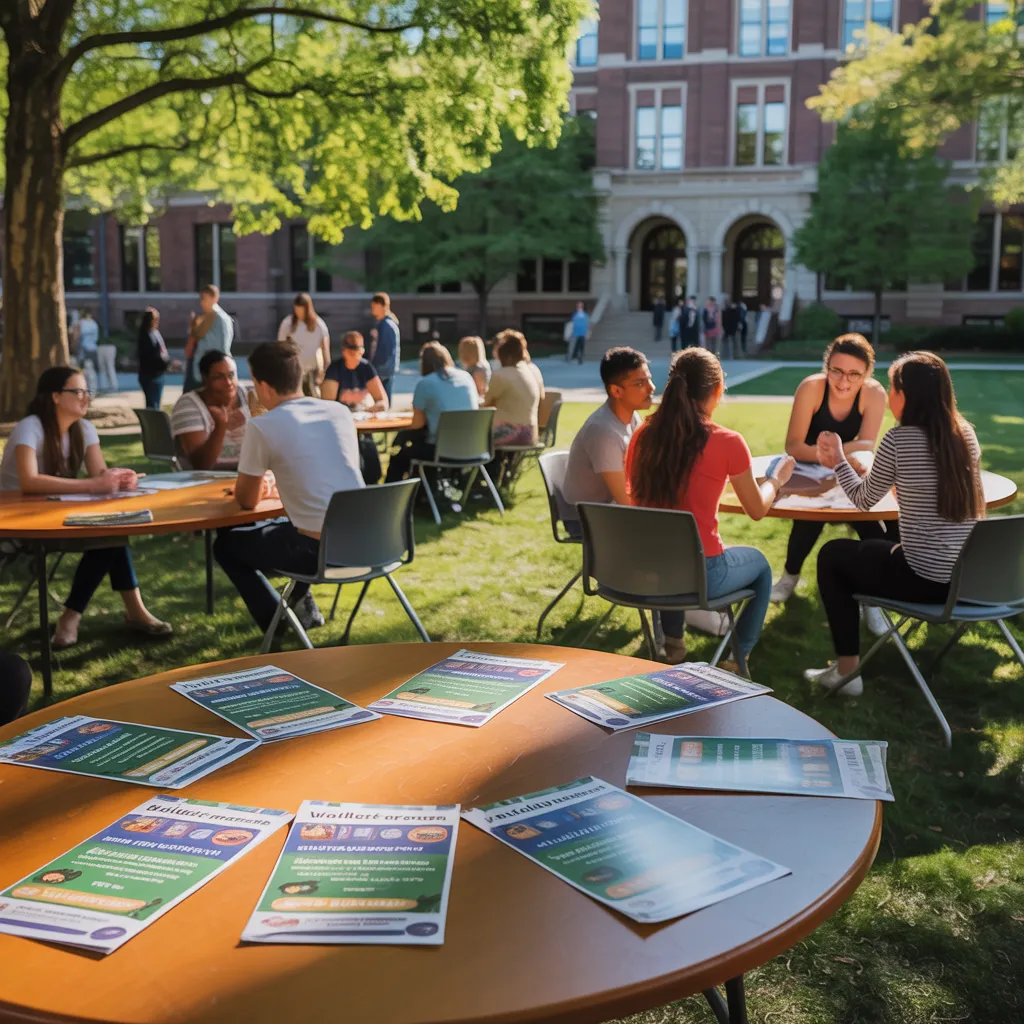
The Rising Power of Pro-Israel Activism in Academic Settings
As pro-Israel advocacy grows stronger on college campuses, its effect on student discourse and political engagement becomes increasingly evident. This surge is reshaping conversations surrounding international relations, particularly regarding the Israeli-Palestinian conflict. Pro-Israel groups are hosting events, inviting speakers, and fostering dialogues that highlight Israel's democratic values and cultural contributions. These initiatives often draw in a diverse audience, including those who may have been unfamiliar with the topic.
Moreover, the movement has motivated students to think more deeply with broader world affairs, fueling debates that extend beyond campus boundaries. Certain students find themselves reassessing their viewpoints on foreign policy, while others become involved advocates in advocacy efforts. This shifting environment reflects a shift in how civic participation is handled, with support for Israel growing into a feature of the larger university discourse. The influence of these movement leaders is not only felt in discourse but also in molding the civic personas of university members.
Engaging Students: Pro-Israel Strategies on Campus
Pro-Israel organizations are employing a range of approaches to meaningfully connect with students on college campuses. These efforts frequently encompass hosting educational events, including lectures and panel debates featuring experts on Middle Eastern politics and Israeli culture. Through creating spaces for educated discussion, these bodies strive to combat inaccuracies and advance a comprehensive appreciation of Israel's position in international matters.
Social media campaigns are another key tactic, leveraging platforms popular among students to promote favorable stories about Israel. Additionally, pro-Israel coalitions are important guide establishing collaborations with diverse student organizations to encourage partnerships that highlight common principles, such as democracy and innovation.
To broaden their influence, these organizations often encourage student leadership by training advocates to communicate their viewpoints clearly. This comprehensive strategy not only aims to mobilize backing but also seeks to develop a more informed student body concerning the nuances of the Israeli-Palestinian issue.
How College Democrats Are Shaping Political Discussions
College Democratic groups are serving a key role in influencing political conversations on campus, commonly directing debates toward key issues such as social justice and equity. Through organized activism, they inspire student participation and build a spirit of unity among diverse perspectives. Such impact not only shapes community dialogue but also reaches further than the campus, mirroring wider political movements.
Shaping Campus Political Discourse
Student activism on campus has reached new heights as College Democrats engage deeply in political discourse. These students are shaping conversations around critical issues, from ecological concerns to equality movements, and profoundly affecting the political landscape. Through planning events, moderating debates, and encouraging dialogue, they cultivate an environment of active participation among fellow students. Their initiatives frequently elevate forward-thinking perspectives, supporting a range of opinions while questioning conventional thinking. Such involvement not only educates participants but also shapes wider campus opinions. Additionally, College Democrats often collaborate with various organizations, creating a network of activists dedicated to social change. With these endeavors, they fulfill a critical role in defining political dialogue at universities, laying the groundwork for tomorrow's generation of changemakers.
Driving Student Activism Campaigns
The mobilization of student activism has developed into a significant movement across college campuses, with College Democrats leading the charge in political dialogue. By hosting events, demonstrations, and conversations, they actively engage their peers in critical issues, building a culture of informed discussion and engagement. These activities regularly reach across political divides, welcoming involvement from varied communities and advancing progressive principles. Through social media campaigns and partnerships with local organizations, College Democrats both educate and energize students to support initiatives that reflect the values of today's youth. This grassroots approach reinforces the importance of young voices in influencing the political landscape, guaranteeing that student concerns find representation in broader political discourse and impacting outcomes both on and off campus.
Engaging With Diverse Perspectives
With student activism thriving across campuses, College Democrats play a pivotal role in shaping political conversations by embracing diverse perspectives. This engagement fosters an environment where different perspectives are not only accepted but enthusiastically promoted. By incorporating voices from different backgrounds, these groups push back against traditional narratives and advance inclusivity in political conversation.
Through discussions, forums, and collaborative gatherings, College Democrat organizations create opportunities for underserved voices, enabling a deeper grasp of complicated matters. This approach not only enriches the conversation within their organization but also impacts wider campus discussions. As they work through diverse viewpoints, College Democrat members showcase the value of strength through diversity, consequently equipping students for future engagement in politics in a multifaceted society.
Exploring Student Views on Israel During Escalating Tensions
How do students maneuver their views about Israel in the face of rising worldwide tensions? In an ever more divided landscape, numerous students struggle with multifaceted sentiments surrounding Israel. From one perspective, some express strong support for Israel, citing historical ties and democratic values. In contrast, some champion Palestinian rights, influenced by social justice movements and calls for equity. This contrast commonly results in passionate conversations across university grounds, where students strive to express their viewpoints while promoting mutual understanding.
Numerous students describe feeling the pressure to take a definitive stance, balancing personal beliefs with the desire for community acceptance. This has prompted forums and discussions aimed at bridging divides, yet the deeper tensions continue to be felt. As outside conflicts shape internal conversations, students increasingly recognize the importance of open dialogue while managing their developing positions on Israel and its significance for international peace and justice.
Meaningful Pro-Israel Efforts on Campus
Pro-Israel initiatives on college campuses typically center around compelling educational programs that foster awareness of Israel's historical background and culture. These efforts are enhanced by forming meaningful partnerships with diverse student groups, creating an inclusive space for open discussion. Combined, these programs seek to build a more aware and encouraging campus climate regarding Israel.
Interactive Educational Programs
Compelling awareness-driven efforts have proven to be a critical tool for building understanding and support for Israel on college campuses. These initiatives often involve speaker series, workshops, and informational booths aimed at correcting misunderstandings and facilitating dialogue about the history and modern realities of Israel. By leveraging diverse digital resources, including social media campaigns and interactive presentations, pro-Israel activists strategically target students across different communities. Engaging campus departments increase the authority of these campaigns, allowing for thoughtful conversations that resonate with students. Moreover, emphasizing common principles, for instance, freedom and creative progress, closes divides across varied campus populations. Overall, these efforts make a meaningful impact in cultivating informed perspectives and encouraging constructive conversations concerning Israel and its broader impact.
Creating Strategic Partnerships
Cooperation serves as a foundation for effective pro-Israel efforts on college campuses, cultivating a network of support that goes beyond individual organizations. By building strategic alliances with various student groups, pro-Israel organizers improve their outreach and effectiveness. These collaborations often involve reaching out to diverse demographics, including multicultural and political organizations, to build a broader understanding of Israel's relevance. Joint gatherings, workshops, and discussions can address deficiencies in knowledge and facilitate dialogue, ultimately nurturing a more informed campus environment. In addition, alliances with faculty and administration can supply necessary resources and legitimacy to initiatives. Through these cooperative efforts, pro-Israel movements reinforce their presence, promoting a more extensive discourse surrounding Israel and building a supportive atmosphere for its advocacy on campus.
Patterns in Student Activism: The Future of Pro-Israel Participation
As student activism evolves, the terrain of support for Israel on college campuses is experiencing notable transformation. Increasingly, pro-Israel activists are embracing new approaches that connect with younger demographics. This shift includes harnessing social media platforms to amplify their messages and reach a broader audience. Joint initiatives between pro-Israel groups and a range of student associations are coming to fruition, promoting dialogue and shared perspectives.
Moreover, the inclusion of educational initiatives, such as workshops and speaker events, seeks to inform students about Israel's past and its place in global politics. This direction highlights a expanding understanding that traditional methods of advocacy may not prove adequate in a rapidly changing political climate. As campus activism grows more varied, support for Israel on campuses is likely to evolve into a more inclusive movement, emphasizing shared values and common ground. This development may boost the effectiveness of pro-Israel efforts, thereby influencing the trajectory of campus dialogue on the Israeli-Palestinian conflict.
Tips for Navigating University Dialogues Surrounding Israel
Maneuvering campus dialogues about Israel can be challenging, especially given the variety of viewpoints and intense feelings involved. To communicate constructively, individuals should first approach conversations with an open mind, understanding that different perspectives exist. Active listening is essential; it promotes comprehension and shows respect for others' opinions.
Using factual information and credible sources can help ground conversations in reality, preventing the spread of misleading content. Encouraging constructive dialogue rather than confrontational debates can result in more meaningful interactions. Recognizing mutual values is helpful, like a mutual dedication to stability and safety, which may provide a solid groundwork for conversation.
Finally, recognizing the emotional weight of the matter allows attendees to address challenging topics carefully. By preserving a respectful approach and concentrating on meaningful conversation over confrontation, individuals can foster a better informed and more empathetic academic environment relating to the multifaceted nature of Israel-related discussions.
Frequently Asked Questions
What Are the Main Organizations Behind Pro-Israel Activism on Campuses?
Primary bodies behind Israel support efforts on campuses feature the Israel on Campus Coalition, Hillel International, StandWithUs, and AIPAC. These groups seek to foster education and backing for Israel within student and campus communities.
How Do Pro-Israel Activists Measure Their Success on College Campuses?
Pro-Israel supporters measure success on college campuses by tracking heightened student participation, participation in events, positive campus-wide policies, and improved student knowledge of Israel's perspective. Event turnout and social media presence are also used as primary benchmarks.
What Obstacles Do Pro-Israel Advocates Encounter From Student Organizations?
Supporters of Israel face challenges from campus organizations that propagate contrary perspectives, face organized protests, deal with limited funding, and must navigate university political dynamics, which often favor opposition to Israel, making more difficult their advocacy and community efforts significantly.
Are There Any Notable Alumni Involved in Pro-Israel Activism?
Many prominent alumni are involved in pro-Israel advocacy efforts, comprising influential business leaders, politicians, and philanthropists. Their efforts help influence policy and public opinion on Israel, building support across a wide range of communities and institutions.
How Does Social Media Impact Pro-Israel Activism Among College Students?
Social media strengthens pro-Israel advocacy among students by encouraging information dissemination, generating support, and developing networks. Such platforms support quick dissemination of messages, building engagement and a sense of community, while enabling counter-narratives to be addressed effectively.